Project Overview
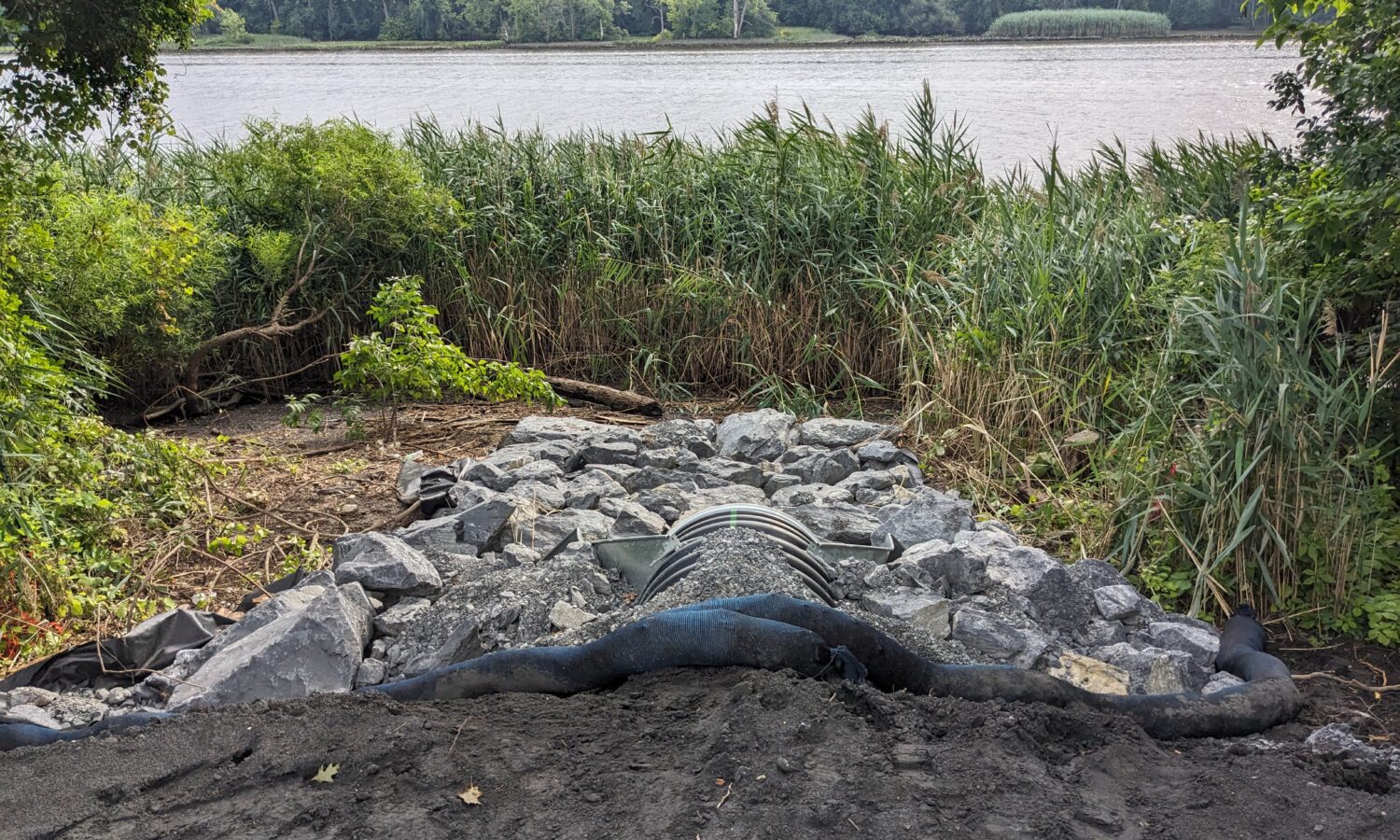
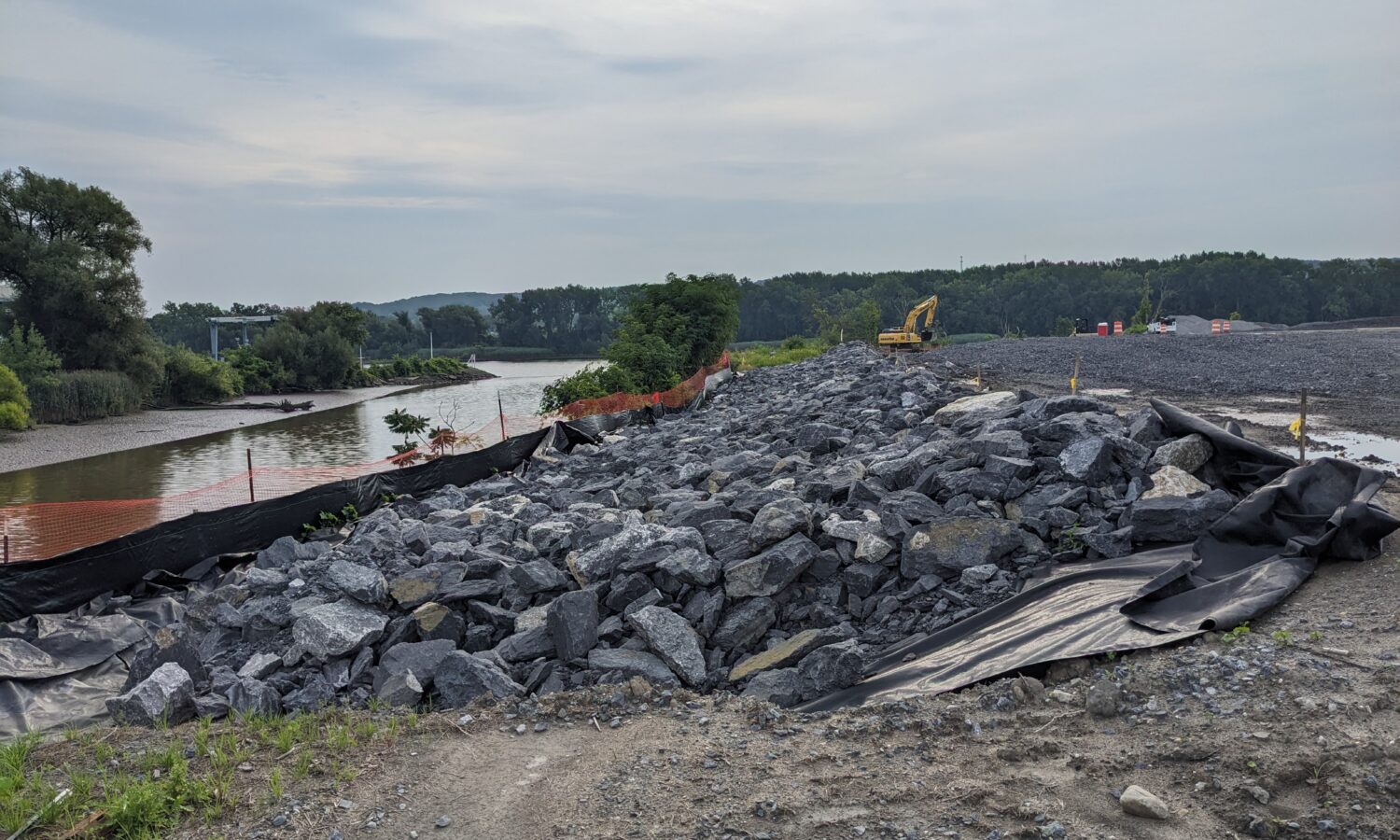
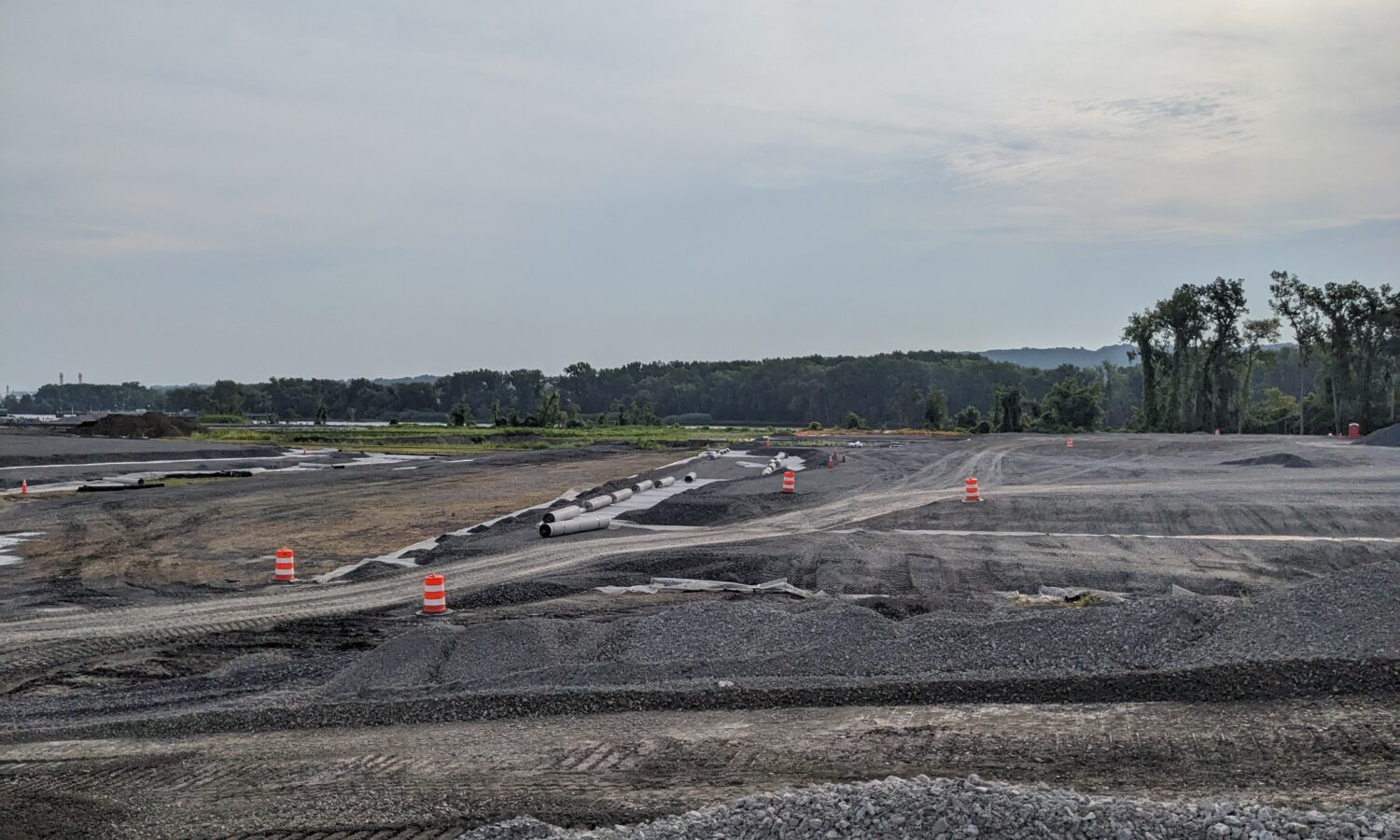
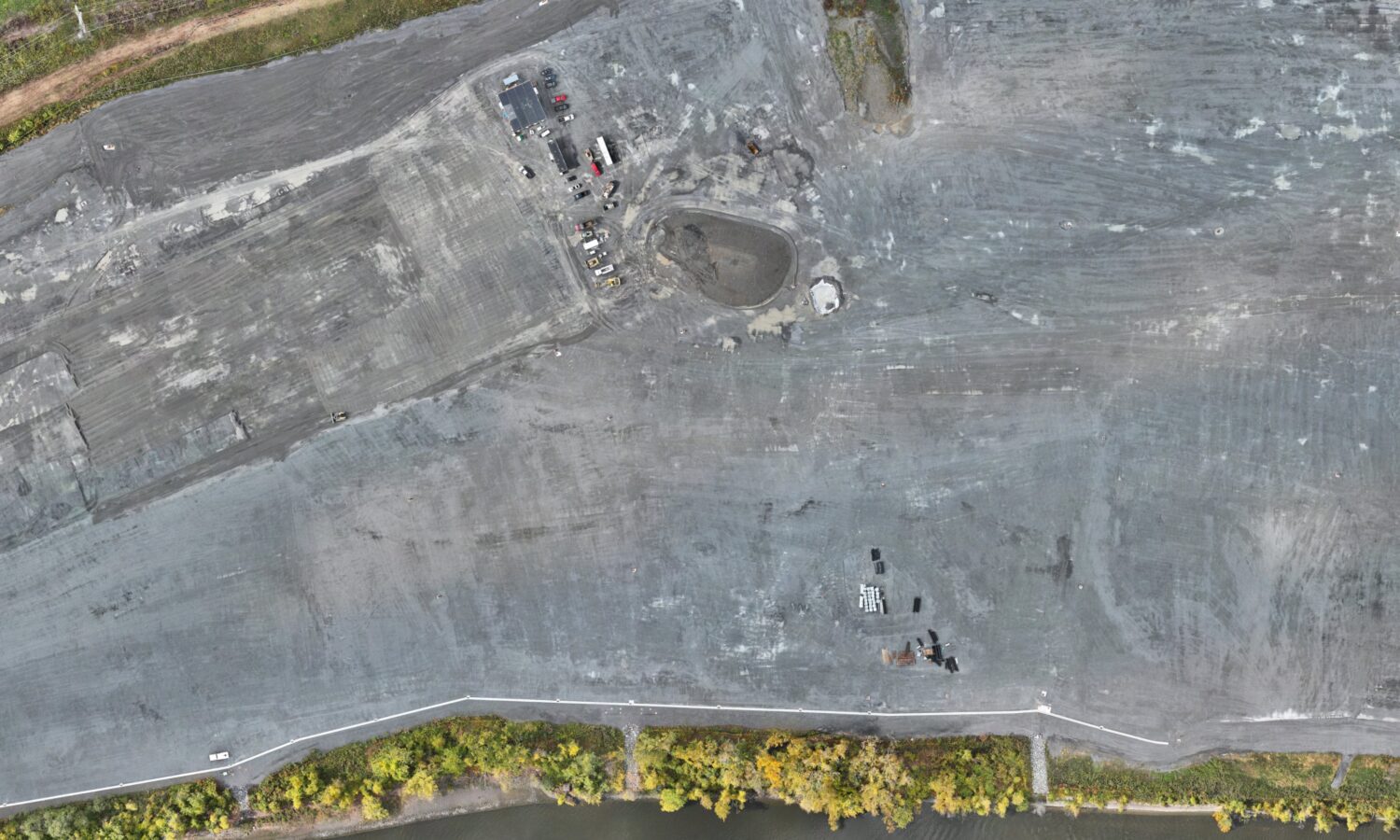
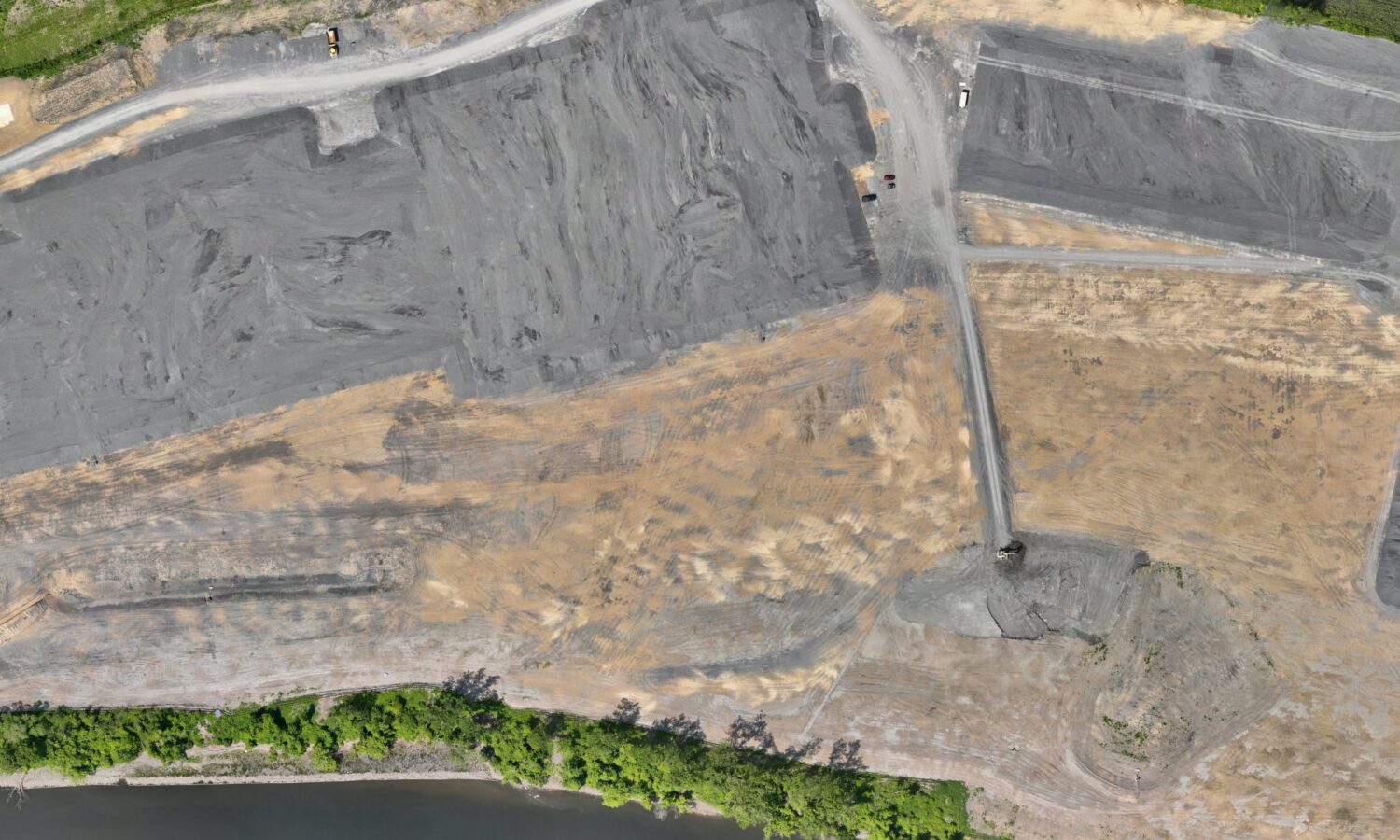
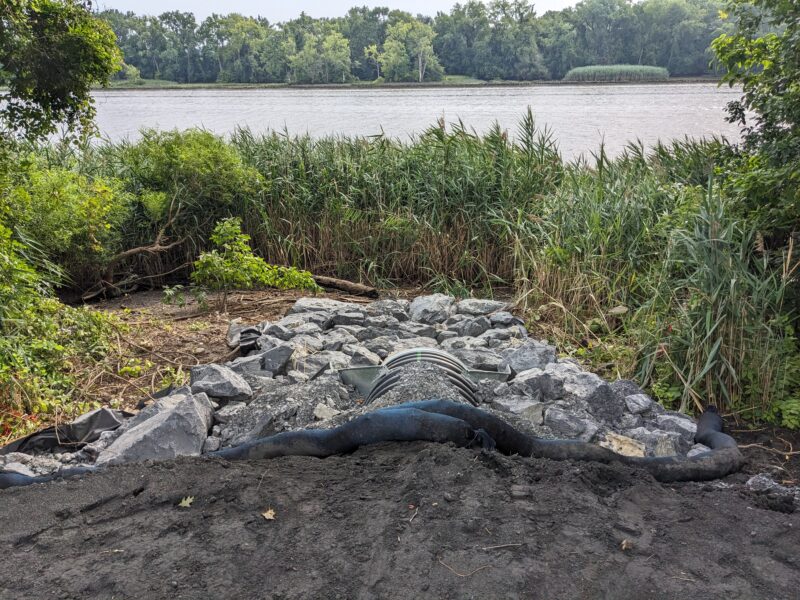
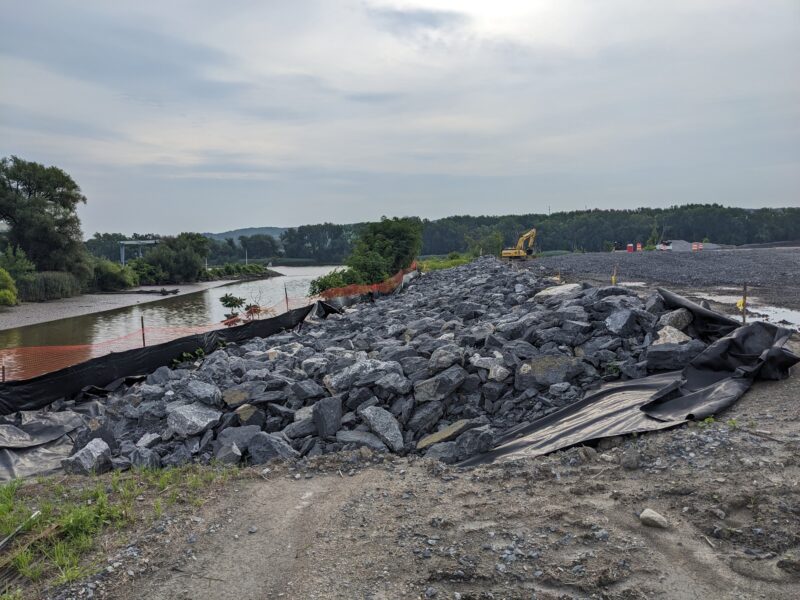
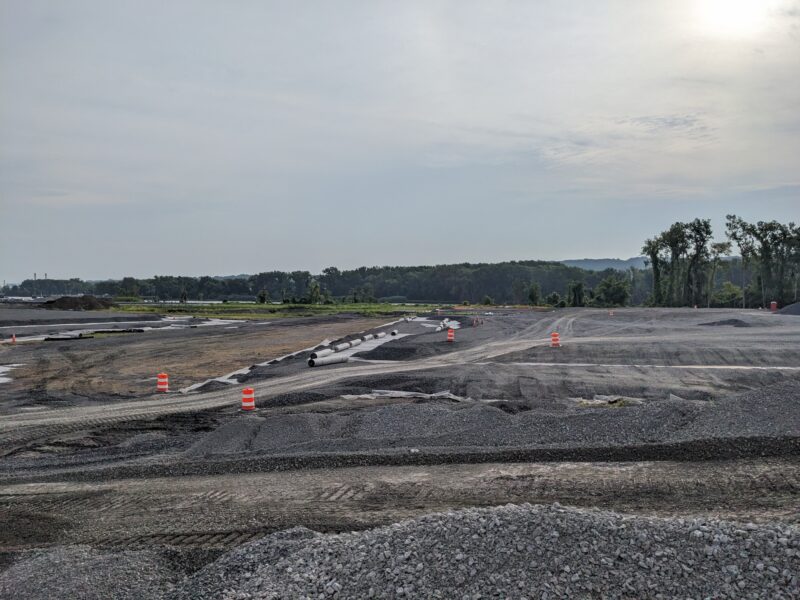
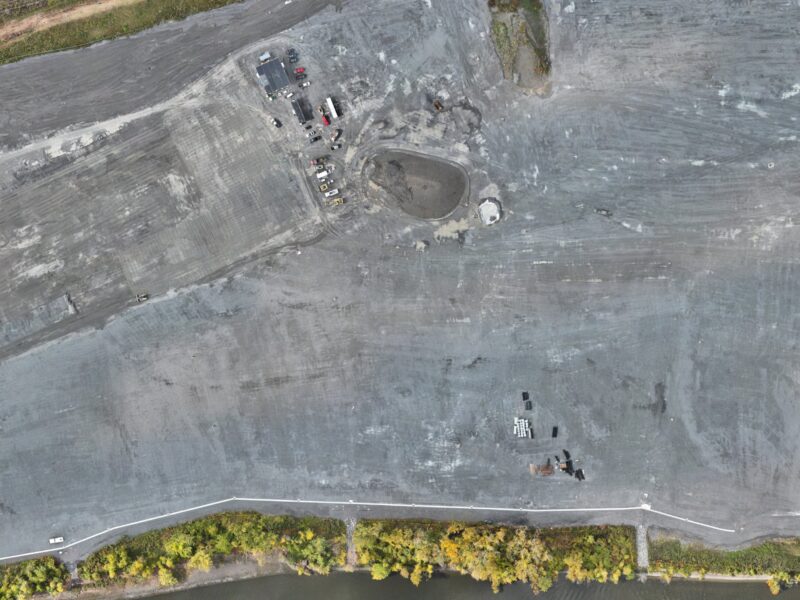
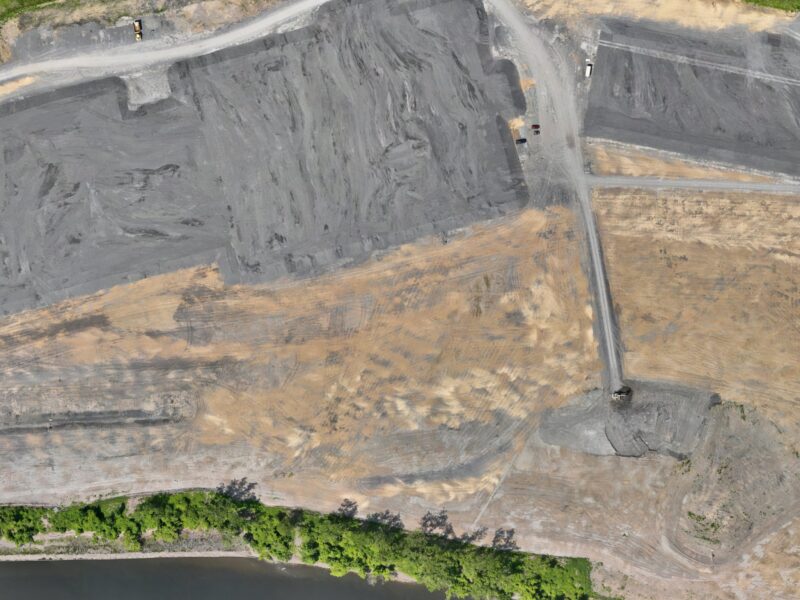
Rifenburg relocated approximately 270,000 cubic yards of subbase to stabilize and cap a 60-acre site, using multiple layers of geotextile fabric to achieve a durable finished grade. Work included installation of nine “Jellyfish” stormwater treatment units, three underground containment systems, and a comprehensive storm drain network. Additional scope items featured an 8,000-square-foot sheeting wall, electrical duct banks and manholes, and medium stone fill with live stake plantings to protect the Normans Kill shoreline near the Hudson River. The team also installed fire and domestic water systems, including a directional bore beneath a NYSDOT roadway, and completed a road widening, milling, paving, and guiderail installation. The project concluded with intersection improvements and a new traffic signal installation.
CHALLENGE
Throughout the project, several design elements evolved, requiring flexibility and coordination from the Rifenburg team. Electrical duct bank requirements were introduced later in the schedule and needed to be installed within a narrow utility corridor already containing storm piping and a waterline, while also preserving space for future utilities. Additionally, the grading plan underwent multiple revisions as the team adapted to the variable compaction characteristics of the onsite subbase and unforeseen ground conditions, ensuring stable grades and project continuity despite the changing site parameters.
SOLUTION
Rifenburg leveraged a BIM model to visualize the tight utility corridor, accurately identifying available space and coordinating the installation of all planned utilities. Grading logistics were meticulously planned, allowing flexibility for future adjustments and ensuring efficient execution as site conditions and subbase compaction needs evolved.
RESULT
The project was successfully completed with all 270,000 cubic yards of subbase installed and compacted, providing a stable and durable foundation across the 60-acre site. The carefully engineered grading and drainage systems now support efficient stormwater management and allow for flexible development for future tenants. Rifenburg’s attention to detail and proactive coordination of utilities ensured the project was delivered on schedule while maintaining high-quality standards. The result is a site that is structurally sound, environmentally protected, and fully prepared for its next phase of development.